
Best Practices for Foundation Excavation in the Bay Area
Building Bay Area Excavation Work on a Strong Foundation
When it comes to building a structure that lasts, everything begins beneath the surface. Proper foundation excavation is one of the most critical steps in any construction project, especially in regions like Northern California where soil conditions can vary dramatically. For contractors, engineers, and property owners alike, understanding best practices for excavation ensures long-term structural integrity and safety.
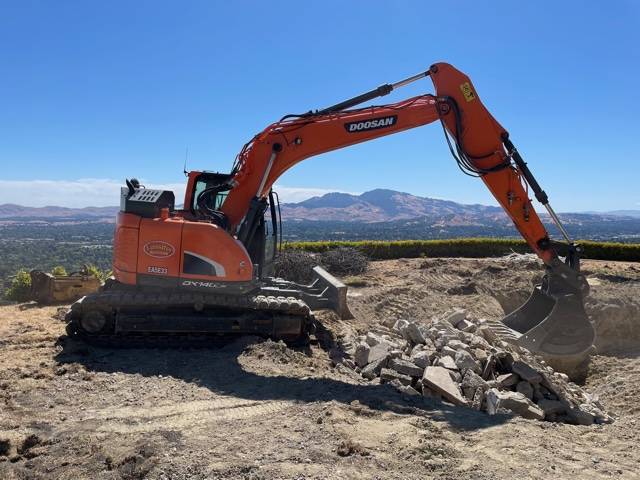
At Lassiter Excavating, precision, safety, and geotechnical awareness are at the core of every project. Whether handling Bay Area excavation work, specialized drilling, or deep foundation support systems, the approach below the surface determines how well everything stands above it.
- Start with a Thorough Soil and Site Evaluation
Before any digging begins, a detailed geotechnical report is essential. Soil composition in the Bay Area can range from dense clay to loose alluvial deposits, each requiring a different excavation strategy. Understanding load-bearing capacity, moisture levels, and seismic considerations helps determine whether traditional foundations or deeper support systems like piers are needed.
This step is especially important for projects involving Bay Area pier drilling, where precision placement of deep foundation elements is critical for stability in seismic zones.
- Choose the Right Excavation Method for the Structure
Not all excavation is created equal. The method used should always match the project’s engineering requirements:
- Shallow excavations may work for light residential structures with stable soil.
- Deep foundation systems are required for larger commercial builds or unstable ground.
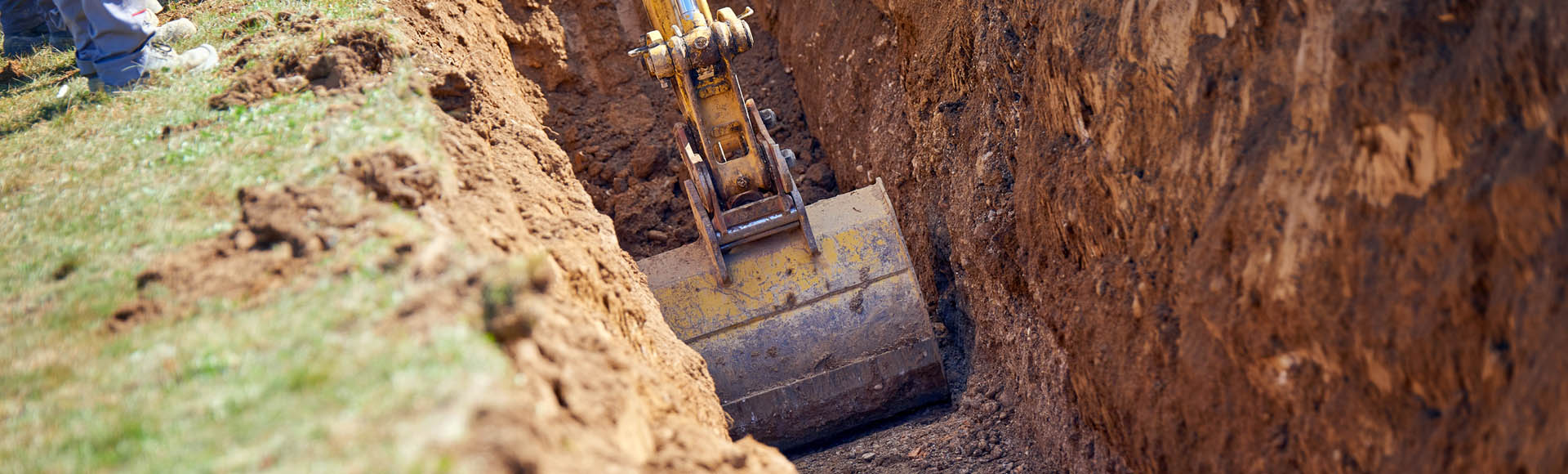
- Shoring and trench support systems may be necessary to prevent soil collapse during digging.
In many Northern California projects, combining excavation with pier systems is essential for long-term support and earthquake resilience.
- Precision Drilling for Deep Foundation Systems
When soil conditions cannot support standard footings, deep foundation systems such as concrete piers or caissons are used. This is where Bay Area pier drilling becomes a critical component of construction.
Precision drilling ensures that each pier reaches load-bearing strata deep underground. Even minor misalignment can affect the structural integrity of the entire build. That’s why experienced operators, advanced drilling equipment, and real-time depth monitoring are essential.
- Foundation Pier Installation Best Practices
For projects extending into Northern California’s varied terrain, including hillside or expansive clay soil areas, Sacramento foundation piers are often used to stabilize structures against shifting ground conditions.
Best practices include:
- Ensuring uniform pier depth across all load points
- Using reinforced steel cages for added strength
- Properly testing soil resistance before concrete pour
- Monitoring curing time to achieve full structural capacity
These steps help prevent settlement issues, cracking, and long-term structural movement.
- Safety, Compliance, and Environmental Awareness
Excavation work must always comply with local regulations, OSHA standards, and environmental guidelines. Utility locating, slope stabilization, and erosion control are non-negotiable parts of any responsible excavation plan.
In addition, minimizing site disturbance helps protect surrounding infrastructure and reduces environmental impact, especially in densely developed areas across the Bay Area and Sacramento regions.
Bay Area Pier Drilling and Excavation Work
Successful construction starts with careful planning, precise excavation, and expert execution below ground level. From Bay Area excavation work to advanced pier drilling and deep foundation systems, every step matters. Lassiter Excavating brings proven expertise to every job, turning challenging terrain into a stable foundation for success. Contact our team here, or stay in touch with us through our social media channels.